
INTRODUCTION
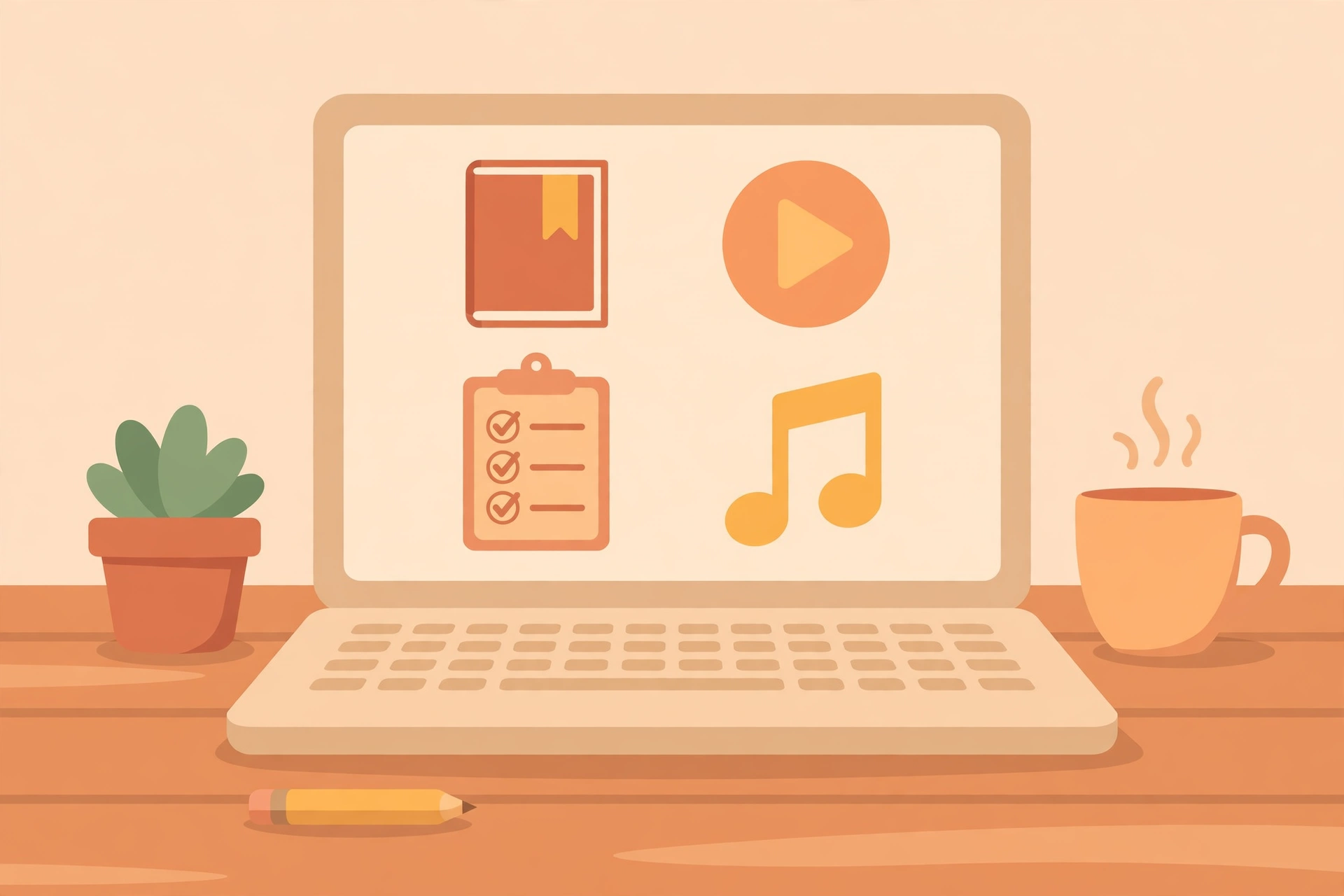
Digital products are files people can download or access online: ebooks, templates, short courses, presets, printables, stock photos and music. You create the product once, and you can sell the same file many times without holding stock or shipping parcels. That is why selling digital products is a popular first side hustle — but it is not effortless income. It still takes real work to make something useful, present it clearly, and reach buyers.
WHAT COUNTS AS A DIGITAL PRODUCT?
- Ebooks and guides that solve one specific problem.
- Templates and planners: spreadsheets, resumes, social media designs and checklists.
- Short courses and workshops that teach a skill step by step.
- Presets, graphics, fonts, stock photos and music for creators.
- Printables: planners, worksheets, party decorations and classroom resources.
Start with a format you can actually finish. A short, useful template often outsells a long, unfinished course.
CHOOSING YOUR FIRST PRODUCT
Pick a problem you have already solved for yourself. Ask: What do people around me keep asking me how to do? What task do I do faster than most beginners? Then narrow it down to one audience and one outcome — for example, a budget spreadsheet for new graduates, not a general finance course for everyone.
Before you build, check demand in a simple way: search for the topic on marketplaces and search engines, read the questions people ask in forums and comments, and look at what similar products promise. If nobody is asking about it, it may be a hobby project rather than a product.
HOW TO CREATE IT WELL
Keep the product focused and easy to use. Write clear instructions, test every file yourself, and include an example or a filled-in version where it helps. Use tools you already know; you do not need expensive software to make a good first product. Add a short description that states exactly what the buyer gets, who it is for, and what result it helps them reach. Honest descriptions reduce refunds and bad reviews.
WHERE TO SELL IT
You can sell through a marketplace, which brings existing traffic but takes a fee and controls the customer relationship, or through your own storefront, which gives you more control but means you must bring your own visitors. Many beginners start on a marketplace to learn what sells, then move successful products to their own store later. Check each platform’s fees, payout rules and refund policy before you list anything.
PRICING YOUR FIRST PRODUCT
Price for the value and the time it saves, not for the number of pages. A simple template that saves someone three hours is worth more than a 100-page guide nobody finishes. For a first product, a modest price makes the first sale easier and brings reviews, which help later sales. Avoid racing to the lowest price: it attracts bargain hunters and leaves little room to improve the product or run promotions.
PROS AND CONS
Pros:
- No stock, storage or shipping.
- Low start-up cost compared with selling physical goods.
- You can sell to buyers anywhere in the world.
- Products can be updated without reprinting anything.
Cons:
- You must create the traffic yourself, especially on your own store.
- Marketplaces take fees and can change their rules.
- Digital products are easy to copy, so piracy is a real risk.
- Income is uneven at first; early sales are often slow.
PRACTICAL TIPS FOR YOUR FIRST SALE
- Launch to a small audience first: friends, a community you already help in, or an email list.
- Offer a free sample or preview so buyers can judge the quality before paying.
- Ask early buyers for honest feedback and fix the weak parts before promoting widely.
- Keep improving one product instead of launching five half-finished ones.
- Keep records of income and fees from the start, even when sales are small.
FREQUENTLY ASKED QUESTIONS
Do I need an audience before I start?
No, but it helps. You can start on a marketplace or in a community where buyers already look for this kind of product, then build your audience from real customers.
How long does it take to make a first sale?
It varies widely. Some sellers sell in the first week; others take months. A clear product page, a fair price and steady promotion matter more than a single launch day.
Can I sell digital products while working full time?
Yes. Most of the work is upfront, and sales and delivery can be largely automated. Set aside regular time for support and updates.
Do I need to be an expert?
You need to be one step ahead of your buyer and able to explain the steps clearly. Teaching what you have actually done is more trustworthy than pretending to know everything.
CONCLUSION
Selling digital products works best as a slow, practical side hustle: one useful product, one clear audience, and steady improvement based on real feedback. Start small, make your first sale, and let that experience guide your second product.


2 thoughts on “How to Sell Digital Products Online: A Beginner’s Guide to Your First Sale”